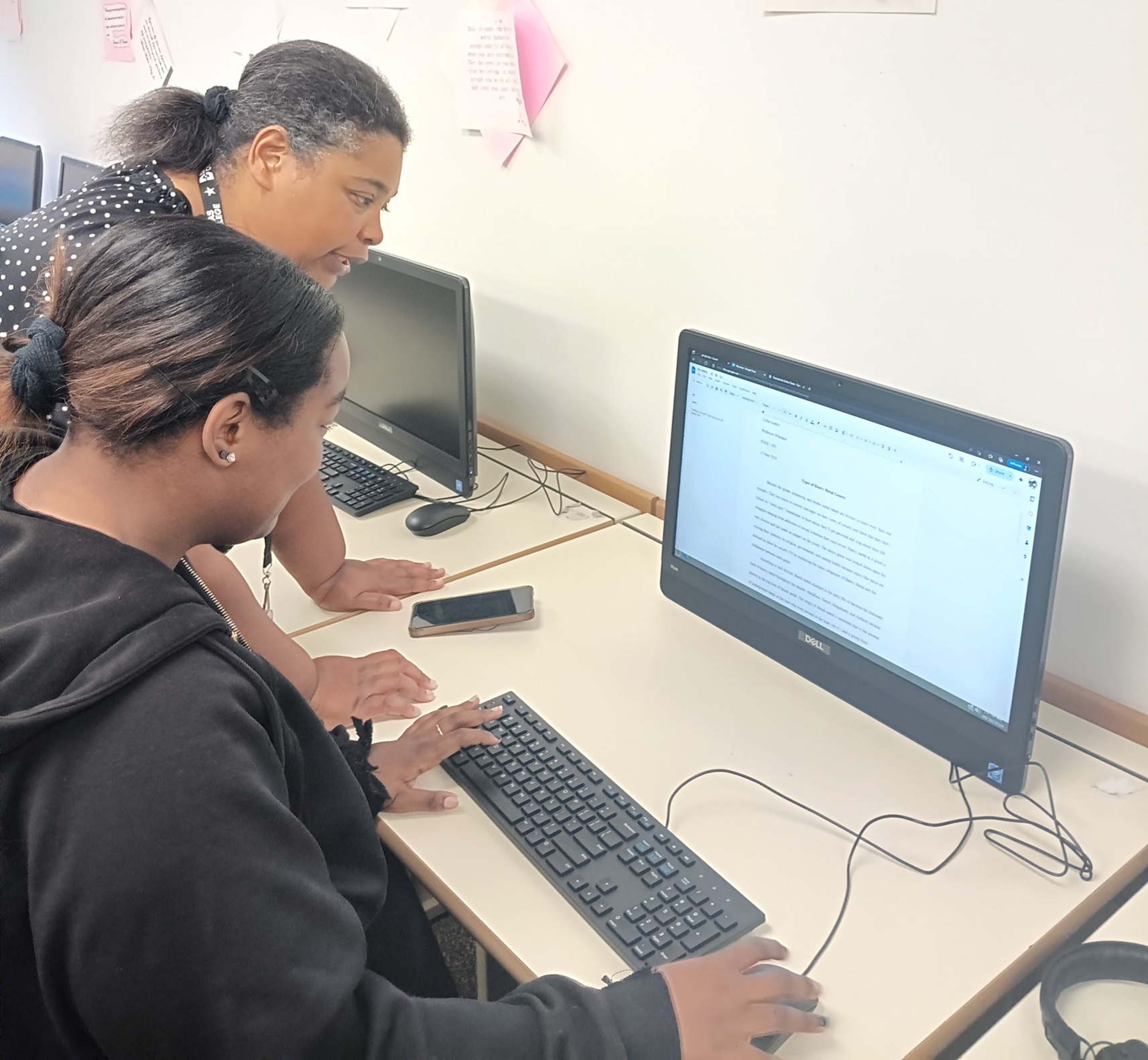
This experience taught me a valuable lesson about parents’ needs.
I experienced the freedom and the challenges of personalized education firsthand. I began homeschooling when my son was 14. Two years later I did the same with my 14-year-old twin daughters. These experiences gave me a unique perspective on what truly works for students.

My journey from homeschooling three teenagers to founding a microschool in Dallas was driven by firsthand experience with both the benefits and shortcomings of traditional education .Forthcoming in September 2026 with an anticipated enrollment of 15 students, I project the same transformative results:
- Mental health is more important than earning a grade.
- I will know every student deeply — their strengths, struggles, and what makes learning click for them.
- We will replace test prep with project-based learning that solves real problems.
- Students at grade level will work 1-2 years ahead.
This shift toward alternatives is reflective of a national trend. The data backs these findings up nationally.
- 60% of parents say schools are on the wrong track (EdChoice, 2024).
- 72% are considering alternatives (National School Choice Awareness Foundation, 2024).
- 29% of 10th graders say they are allowed to learn things they are interested in at school (Brookings Institution, 2025).
As a single mother, I never doubted my ability to sacrifice finances and work hours to do what I believe was the best for my teens. But here’s what surprised me most: microschools aren’t serving elite families.
Income should not be a barrier to individualized attention in learning. To be completely transparent: our school charges tuition, and state certification is still an option instead of a requirement. I ask parents to make this sacrifice for their teen’s future, especially if your teen is disengaged and stressed over grades or what their future might look like. Texas has always been a strong advocate for alternative education models.
Are microschools perfect? No. The regulatory landscape is messy. Resources are more limited than large high schools. The financial model is fragile. Jumping from homeschool to microschool has taught me an important concept: creative thinking through human-centered learning pays dividends The homeschool students I have taught through Mastery Academics and my teens learned by doing, tried out college, learned three languages, and spent time experimenting with careers. Teens talked about generative Artificial Intelligence (AI) and robots in the workplace years before OpenAI released ChatGPT.
Education in Dallas, Texas, works when the curriculum adapts to the students instead of the other way around, and when learning is dynamic rather than standardized.
The future of education isn’t about scale. It’s about knowing each student deeply enough to help them thrive.
What’s your experience with alternatives to traditional schooling? I’d love to hear your perspective in the comments.
Tonya Whitaker founded Mastery Academics High School in Dallas, Texas. Whitaker, a former newspaper journalist and current writing professor, began homeschooling her children when the trio approached their high school years. The school is set to open in early September 2026. To learn more, email her at info@masteryacademics.school.