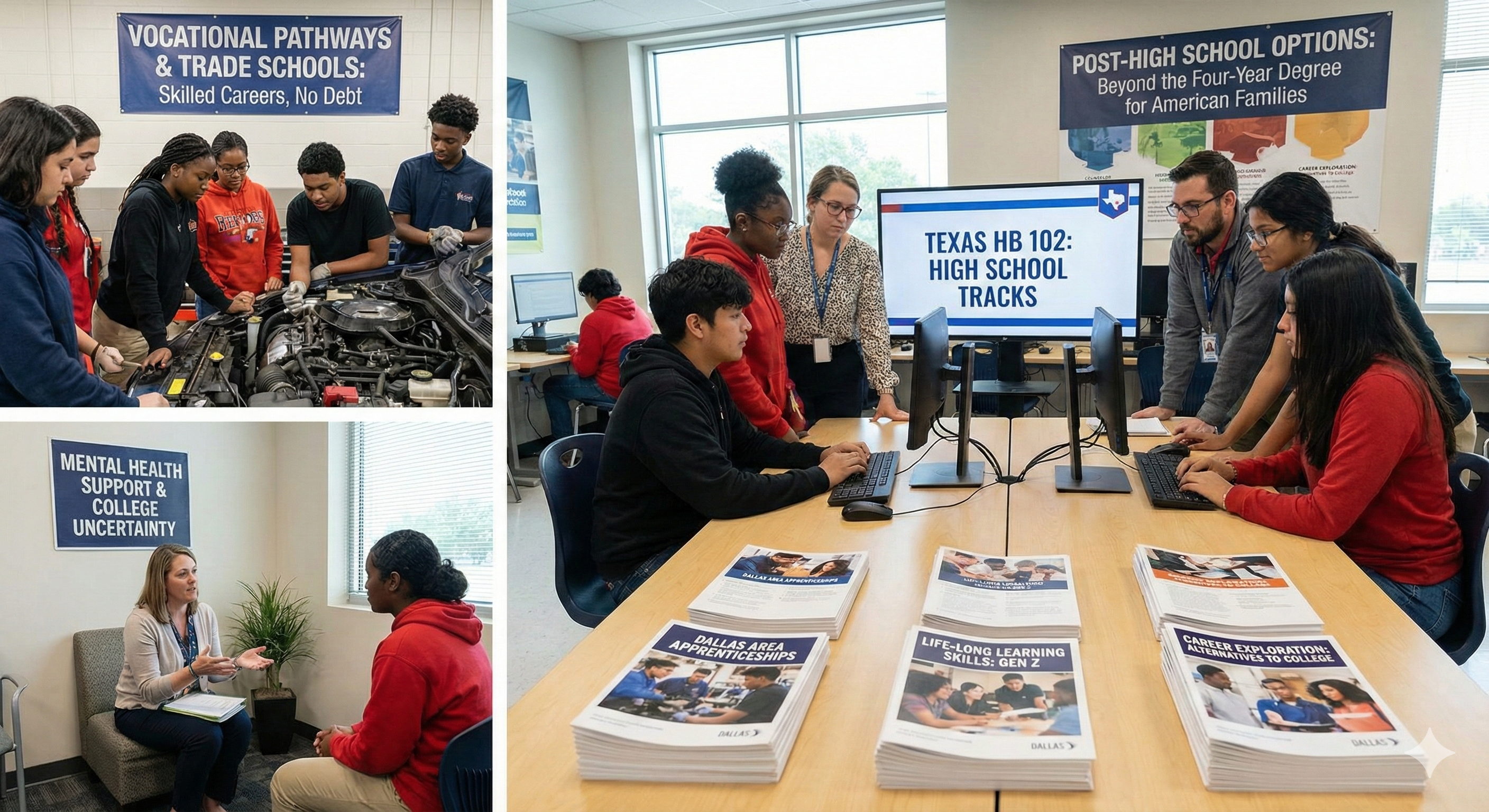
The high school experience in Dallas, and across Texas, is at a crossroads. As I look at the landscape of modern education, I see students who are navigating a world that looks nothing like the one their parents—or even their older siblings—grew up in. If we want our teens to thrive, we have to start by making sure they feel truly seen and supported.
Beyond the Traditional Classroom
For too long, education has been synonymous with “traditional subjects stuck in tradition.” But learning is so much more than a rigid curriculum designed for a world that existed 34 years ago. In 1992 the challenges were different. Today, we are competing with generative AI, pervasive algorithms, a mental health crisis, and deep-seated doubts about the future.
To reach a student today, we must tap into their actual interests. We cannot expect a teenager to be inspired by a pedagogical model that hasn’t evolved alongside the technology in their pocket. Supporting a teen means acknowledging that their world is fast, complex, and often overwhelming.
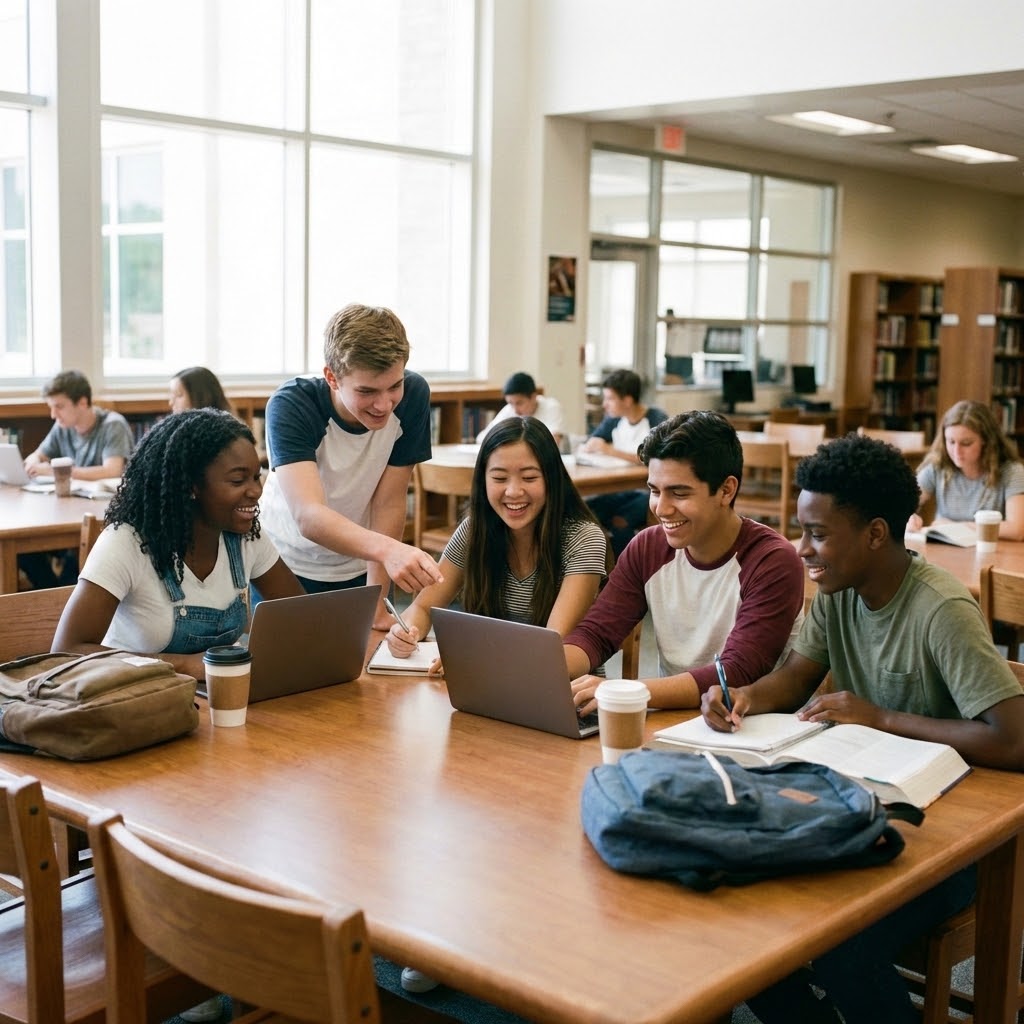
The Mastery Academics Approach
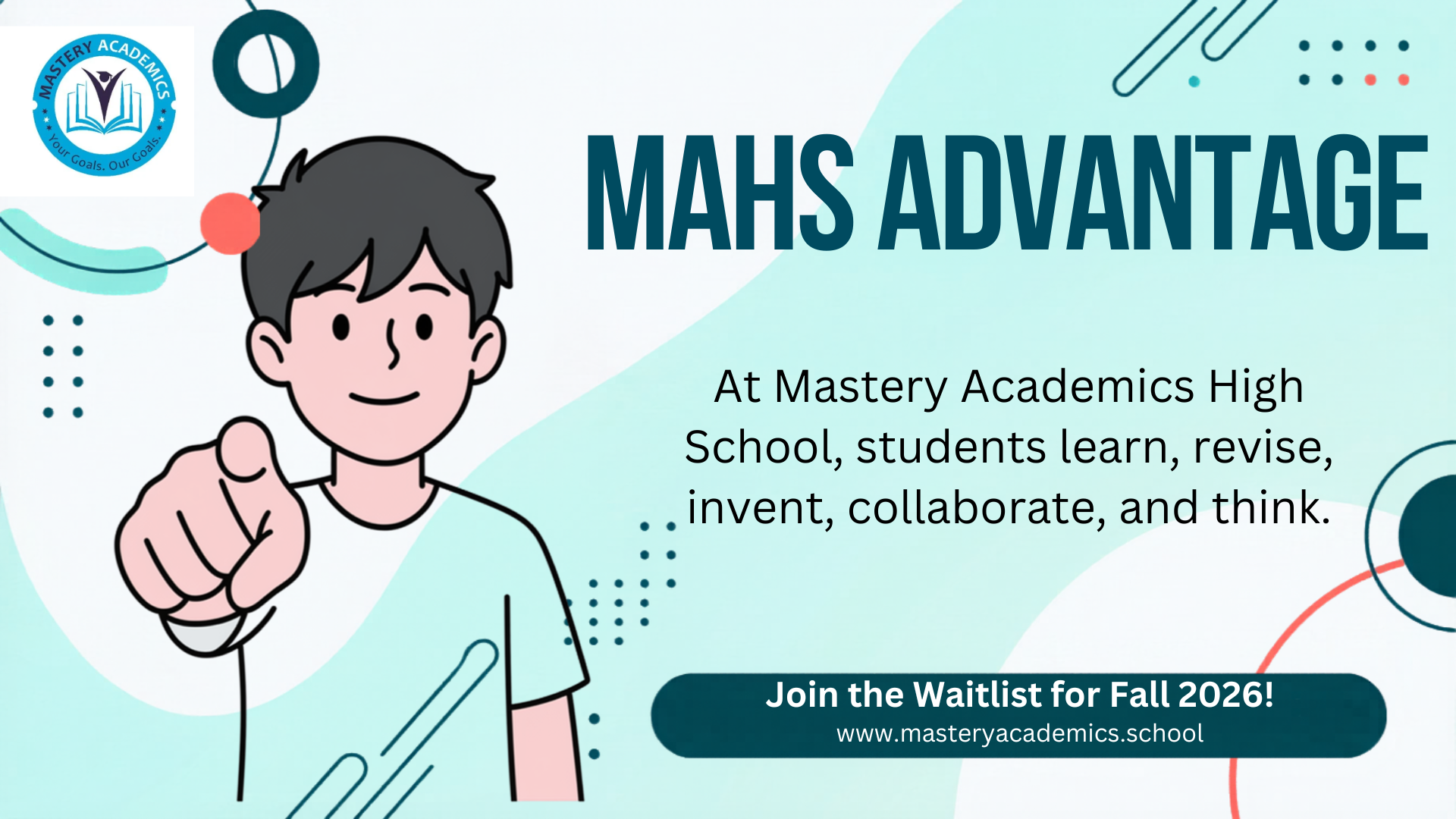
At Mastery Academics High School, we’ve built a model that moves away from the “factory” style of schooling. We see the individual, not just the enrollment number. We achieve this through two core pillars: mastery learning and project-based learning.
-
- Mastery Learning: We believe learning should follow the student, not the other way around. In a traditional system, a student might get a “C” on a test and the class moves on anyway, leaving a gap in their foundation. In our model, we don’t move forward until the student has actually mastered the material. This removes the “fear of falling behind” and replaces it with the “joy of getting it right.”
-
- Project-Based Learning (PBL): We replace valueless education models with intentional, authentic learning. Learning rich in media production, such as podcasting and technical writing, takes the content students have mastered to another level. Problem solving, addressing real-world challenges invite the North Texas community into the learning process. This is where interest meets education. When a student sees the “why” behind what they are learning, the “how” becomes second nature.
Support That Goes Beyond the Grade
Rigor does not have to mean exhaustion. We intentionally build in mental breaks throughout the day, recognizing that the brain needs time to decompress to actually retain information. A break isn’t “lost time,” as it’s an investment in a student’s cognitive health.
This philosophy is personal. Our approach is rooted in the “real world” because it was built by someone who lived it. As a former newspaper journalist who began building future-ready skills as a high school sophomore, I’ve seen firsthand how authentic projects prepare you for life better than any standardized test. From newsrooms to my current role as an English composition professor, I’ve carried a single philosophy: if the learning isn’t intentional, it isn’t impactful.
Preparing for a New Frontier
We aren’t just teaching subjects; we are building the skills—critical thinking, communication, and personal responsibility—that AI cannot replicate. By focusing on the teen’s humanity first, we create an environment where they don’t just survive high school; they find their footing for whatever comes next.
In Dallas, we have a unique opportunity to lead the way in student-centered education. It starts with a simple shift: stop asking students to fit into the system, and start building a system that fits the student.
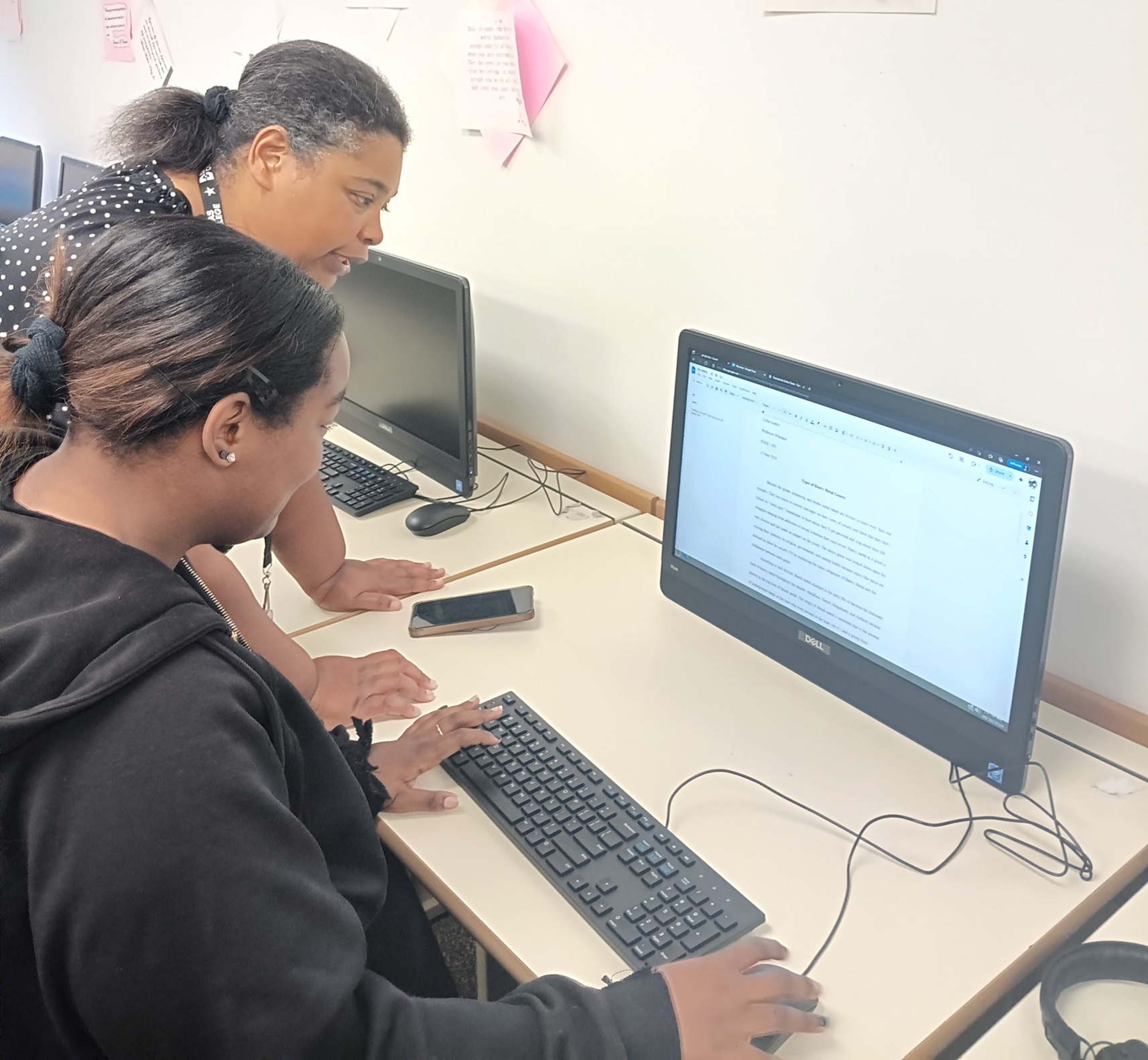
Tonya Whitaker is the founder of Mastery Academics High School. A former homeschool mom of three teenagers, Whitaker teaches across Career and Technical Education (CTE), traditional enrollment, and dual credit programs at community college and university levels. These experiences give her a clear view of the entire pipeline. She has seen where students arrive underprepared, where confidence collapses, and where the right environment makes all the difference. Contact her at info@masteryacademics.school.